10 Wrong Answers To Common Refrigerated Containers Questions Do You Know The Correct Ones?


Refrigerated Containers
Refrigerated Containers (often called reefers) are a key part of shipping temperature-sensitive goods. Catering companies transporting prepared meals for events or research labs transporting sample, refrigerated container provide an efficient temperature control.
A good refrigeration system is energy efficient and can reduce costs by minimizing electricity usage. Insulation is also crucial as it helps to block external temperatures while allowing cool air to enter.
One-Trip or New Reefers
Refrigerated containers, or reefers, are essential for transporting temperature-sensitive products worldwide. The key to their effectiveness is a precise airflow, temperature control and humidity control. Reefers utilize a refrigeration system powered by electricity or a generator to create a cool airflow through the interior of the container, ensuring that cargo at a constant pre-cooled temperature. Advanced microprocessors monitor the conditions inside the container and adjust them to ensure optimal ventilation and humidity as well as temperature throughout the trip.
The control unit at the front of a refrigerated container permits you to alter and set internal conditions like temperature, alarm settings and humidity and ventilation levels for specific cargo types. These settings can be changed according to the type and distance of the product as well as the conditions of shipping along the route.
The frozen goods, such as seafood and meat products require a very cold environment to ensure their quality. Fruits and vegetables should be kept at a stable low temperature to prevent spoilage. Other goods need to be kept cool, but do not require freezing like dairy products and beverages. The reefer's fans and decking in the shape of a T ensure that a consistent flow of cold air circulates throughout the container, preventing hotspots from forming and making sure that the cargo is evenly chilled.
Reefers can be used as a temporary storage for food items following natural disasters such as a bushfire or flood offering a safe and secure environment to keep perishables at a temperature that is cold. By getting rid of the T flooring and replacing it with a different type, these containers can be converted into a residential or office space.
When a reefer is connected to the power source, it can be either connected to the vessel it is on or plugged into the dock's electric grid, which is also known as shore power. Reefers that are connected to vessels have the benefit of a safe power source when at sea and docked reefers permit you to plug in a portable generator for a more flexible option. No matter where you place your reefer, it's vital to have a power supply that can handle the weight and weight of your cargo. The more food items or other cargo you put into a refrigerated container the more energy it will consume to maintain the temperature and humidity control.
Used Reefers
Reefer containers are often used to transport temperature-sensitive products around the world. They can be refrigerated on long sea voyages. They are also powered by power cables and generators, so they remain operational in any conditions. They are also reasonably priced, making them a viable option for businesses looking to ship their goods at a reasonable cost. They can be purchased or hired, or bought in one-trip units which have already made their journey across the ocean.
The refrigeration unit in a reefer box works by bringing in warm air and pushing cold air out. The refrigerating system constantly monitors the temperature inside the container to prevent freezing or spoilage. The refrigeration unit maintains the appropriate temperature for different kinds of food items.
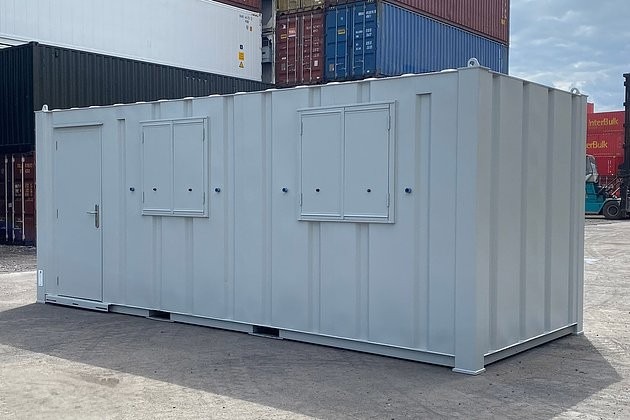
You can lease or purchase refrigerated containers from a variety companies. They can also be modified by adding extra doors, windows, or other modifications. These modifications can enhance security and safety. Some containers can be equipped with additional sensors remote monitoring, special frames to prevent explosions when transporting flammable or volatile substances.
Many different types of foods and other goods can be shipped in refrigerated containers including frozen, chilled and fresh items. Frozen items include ice cream, poultry and pork products, as well as fish such as salmon and tuna. Chilled items include eggs, dairy products and confectionery. Fresh vegetables and fruits are another popular item that is shipped in refrigerated containers.
Certain fruits and vegetables ripen or degrade during shipping. This can result in loss of quality, or even spoilage. A good ventilation system is essential to keep vegetables and fruits fresh for longer. Fresh air vents in a reefer remove CO2 and the gas called ethylene that is released during the ripening process. Humidity levels can also be adjusted to minimize excess moisture.
It is important to adhere to specific loading guidelines to ensure that the refrigeration system of a reefer functions effectively. The load line markings on the ceiling and floor of a reefer will indicate the amount of weight that can be safely loaded, to prevent over-packing and blocking the vents. Reefer containers are equipped with drainage systems to stop water accumulation that could impact stability of cargo and health.
Renting Options
If you're looking for a refrigerator, but don't want to spend in a large amount of money in the beginning, think about leasing your new appliance. This option comes with many benefits, including flexible monthly payments and the option to choose the period of rental that best meets your requirements. Check out the terms and prices before choosing a rental service to rent appliances. Be sure to read the warranty as well as any additional services they offer in addition.
Rental companies for refrigerators offer a wide range of options to meet the requirements of various occasions. They can provide large walk-in chillers as well as sleek display chillers and freezers for ice cream. They also offer portable units that are ideal for venues that have little space. They can also be set up and delivered quickly and easily. They can also be returned following an event, which reduces the hassle of dealing with leftover food and equipment.
A lot of rental fridges are energy efficient and feature a an stainless-steel finish. They are more appealing, easier to clean and can save your tenants money on their utility bills. They also tend to have lower costs of purchase than other refrigerators. If 10ft Storage Containers of renting a fridge, pick one that has an energy-efficient design and features that are appropriate for your business or event.
Renting refrigerators is a convenient option for businesses relocating or planning to move in the future. It can be challenging to transport and store expensive equipment, but a refrigeration rental business can deliver the equipment you require and return them when you're done with them. This is especially beneficial for catering and event businesses that travel.
Another advantage of renting refrigerators is that you don't have to worry about repairs or maintenance. Most rental companies offer maintenance and support services for their appliances, meaning that you can rest assured that your refrigeration will function efficiently throughout the rental period. Additionally, refrigerators that are rented can be reused or refurbished when they are no longer needed and reduces the amount of garbage that goes to landfills.
Cost
Reefers, or refrigerators, are an important component of the supply chain worldwide. They help ensure that food, medicine and other temperature-sensitive goods make it from producers to consumers in the best possible condition. They are available in various sizes and types and can be used for land or sea transport.
Reefers are controlled by an electrical panel that controls a refrigeration unit to keep perishables chilled or frozen. They are equipped with ventilations and fans that circulate cool air, as well as a compressor to regulate the temperature. The refrigeration unit is connected to a source of power during transport on the ocean, either from an electrical supply on the cargo vessel or generator set (or genset) on land.
Insulation is used in the majority of refrigerated containers in order to reduce energy consumption. Insulation materials are varied however the majority are made from polyurethane or fibreglass. Foam is a great insulation material due to its ability to conform to various shapes of containers and is lightweight and cost-effective. Fibreglass is more expensive, but provides superior thermal performance because it doesn't conduct heat.
A vapor compression cycle is utilized to maintain a precise range of temperature in a refrigerated container. These systems require a continuous supply of energy, and they're typically equipped with an engine that can provide backup power.
If your company is looking to purchase a refrigerated container, you need to take into consideration shipping costs as well as delivery fees. These costs can mount quickly, particularly when you import from outside the country. It is also a good idea to factor in maintenance expenses, as these can be significant and should be done regularly by a qualified technician.
Due to the global shortages caused by the Covid-19 pandemic been difficult to find cold containers available for sale. The pandemic has caused massive factory shutdowns and a decrease in the capacity of shipping. These supply problems have led to a hike in rates for bookings and spot delays.
In this way it is advisable to plan ahead and place an order for your containers for reefers early. By doing this you will avoid costly delays and ensure that your products arrive in good condition.